Choosing the Right Duvet Cover: Material, Weave, and Care with Top Brands
A practical, editorial guide to selecting duvet covers based on fabric, weave, closures, and maintenance. We pull insights from premium lines by Naturepedic, Coyuchi, Sleep and Beyond, and Sferra to help you make confident, stylish, and durable choices.
Introduction: The duvet cover as the unsung hero
In the sleep-scape of your bedroom, the duvet cover often plays second fiddle to the sumptuous duvet itself. Yet a cover determines how comfortable you feel at night, how easy it is to care for your bedding, and how your bed presents itself when guests arrive—or when you simply walk into a calm, luxurious space after a long day. The right duvet cover bridges the soft, tactile magic of fabric with practical durability, color restraint, and a fit that stays put no matter how many times you make the bed.
This guide dives into the core material families, weaving styles, closures, and care strategies that elevate your sleep experience. We’ll explore how leading brands—Naturepedic, Coyuchi, Sleep and Beyond, and Sferra—approach premium duvet covers, including how their fabrics feel, perform, and endure with regular washing.
1) Material matters: cotton, linen, and blends
The fabric you choose for a duvet cover sets the mood for the entire bed. It affects temperature regulation, texture, and how the textile wears over time. Below are three dominant families you’ll encounter in premium lines.
Cotton: percale and sateen
Percale is a crisp, lightweight fabric with a matte finish and a cool touch. It’s a favorite for hot sleepers and warmer climates because its one-over-one-under weave promotes airy airflow. Premium purveyors like Sleep and Beyond often highlight organic cotton percale for its clean feel and easy care.
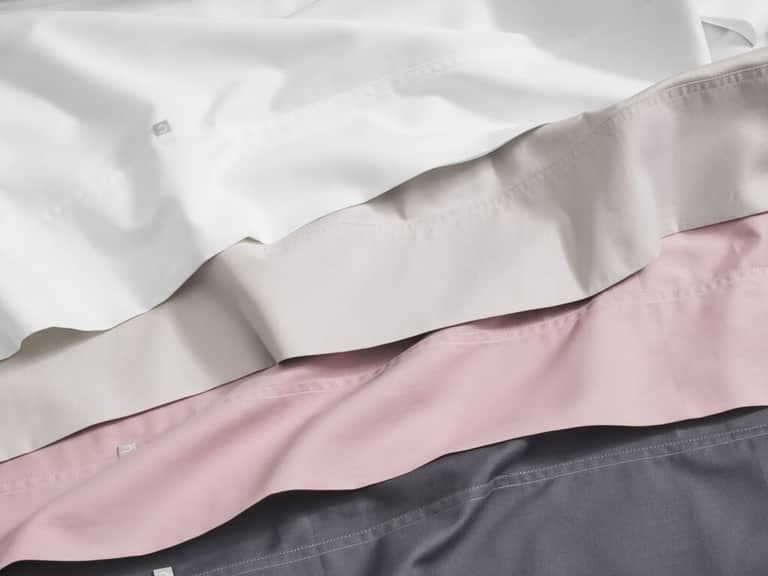
Sateen offers a smoother hand with a gentle sheen. A 300–600 thread-count sateen can drape beautifully, creating a refined, hotel-like finish. The Luna duvet cover (Signoria Firenze) and other Italian-made sateens demonstrate how this weave can balance luxury with everyday practicality.
Brands to note: Naturepedic’s cotton offerings include organic cotton varieties, while Coyuchi and Sferra frequently emphasize high-thread-count cottons with a soft, tactile drape. The choice between percale and sateen comes down to climate, personal texture preference, and how much you value a crisp versus a silky feel.
Linen: breathable, grown-up simplicity
Linen duvet covers, especially those labeled GOTS-certified like Naturepedic linen sets, are highly breathable and temperature-regulating. Linen’s lived-in texture softens with every wash and adds a tactile, organic vibe to a calm bedroom aesthetic. It’s an excellent choice for those who prioritize natural fibers and minimal care complexity.
Warmth is typically less intense than with heavy cotton blends, and linen performs particularly well in hot climates or households seeking a cool-touch surface that still feels luxuriously substantial over time.
Blends and blends-with-benefits
Blends—such as cotton-poly blends or cotton-linen mixes—strike a balance between the crispness of cotton and the texture of linen. They’re often more affordable and easier to care for, while still offering a luxurious finish. Brands like Sferra and Coyuchi experiment with premium blends to deliver durable, colorfast options that age gracefully.
If you’re unsure where to start, a blend with a higher cotton content usually delivers easier laundering and a familiar feel, while still giving you some linen’s breathability and character.
Quick take: If your climate runs hot and you crave a lighter touch, start with cotton percale. If you want a soft, sumptuous feel that ages beautifully, consider a premium sateen or a linen option.
2) Weave and closure: the unseen but essential details
Beyond fabric choice, how a duvet cover is woven and closed can dramatically influence how it looks and performs after months of washing. Here are the two big considerations.
-
Weave matters: Percale, sateen, jacquard, and dobby textures each have distinct drape, weight, and appearance. A jacquard weave (as seen in luxury lines) adds pattern and texture without bulk. A dobby weave can yield subtle geometric patterns. For hotel-like crispness, percale shines; for a softer hand and a luminous drape, go with sateen or jacquard.
-
Closures and interior ties: Premium brands emphasize secure closures—buttons, snaps, or zippers—and interior ties to anchor the duvet insert. This prevents shifting and helps maintain a neat surface through nightly movements. The Luna duvet cover demonstrates a knife-edge finish with a refined border and precise sewing, illustrating how closure details contribute to a tidy bed aesthetic.
Brand notes: Naturepedic often leans into organic cotton and breathable weaves; Coyuchi emphasizes natural fibers and earth-friendly finishes; Sleep and Beyond highlights hotel-inspired textures and durable percale; Sferra combines intricate jacquard or sateen with meticulous construction. The takeaway: the weave and the closure choices are the quiet signatures that keep your bed looking as good as it feels.
3) Care and longevity tips across top brands
Caring for a duvet cover extends its life, preserves color, and keeps the fabric feeling luxurious. Here are practical tips drawn from top-tier lines.
- Washing temperature: Most premium cotton duvet covers respond well to warm or cool water. Organic cotton percale and sateen are typically machine washable on a gentle cycle. Avoid hot water with delicate fabrics to prevent premature wear or color fading.
- Detergent and additives: Use mild, hypoallergenic detergents. Avoid harsh bleaching agents which can degrade fiber and color over time. Coyuchi and Naturepedic branding often corners on chemical-free or low-residue options that preserve fabric integrity.
- Drying and care: Tumble drying on a low heat setting is common for most duvet covers, with a quick-dry approach to reduce wrinkling. For linen, a low moisture cycle can help maintain the fabric’s natural texture. If you prefer line-drying for linen pieces, ensure they’re fully supported to prevent creases.
- Color retention and laundering cycles: Rotate colors and avoid overloading the washer. Multi-color sets, like Luna with a bordered design, benefit from air-drying to prevent color bleed.
Brand-specific notes: Naturepedic’s linen and cotton pieces are designed to emphasize chemical-free care, while Sferra’s premium cottons may respond best to gentle cycles and cool drying to maintain their luster. Sleep and Beyond’s percale sets are typically pre-shrunk to help ensure a consistent fit after several washes.
4) Brand spotlight: how four premium names influence duvet covers
We’re looking at Naturepedic, Coyuchi, Sleep and Beyond, and Sferra to understand how premium brands shape the duvet-cover landscape—through fabric choices, weave, finish, and care guidance.
Naturepedic: organic clarity
Naturepedic’s duvet covers often emphasize organic cotton and linen with GOTS certification. The focus is on chemical-free design, breathable textures, and durable construction that suits health-conscious sleepers who value sustainability as a core priority.
Coyuchi: earth-friendly luxury
Coyuchi blends natural fibers with a refined aesthetic, frequently showcasing organic cotton and linen options. Their fabrics are designed to feel like luxurious everyday wear for the bed, with an emphasis on texture and longevity.
Sleep and Beyond: hotel-grade comfort
Sleep and Beyond leans toward hotel-inspired percale and sateen finishes, delivering crisp, airy textures designed to endure heavy washing without losing structure. Their bedding speaks to a modern hotel-chic vibe with everyday practicality.
Sferra: Italian luxury textile craft
Sferra is synonymous with couture-level textiles—woven jacquards, refined satins, and ultra-premium cottons. Their duvet covers often feature intricate weaves and flawless finishes that elevate any bedroom into a spa-like sanctuary.
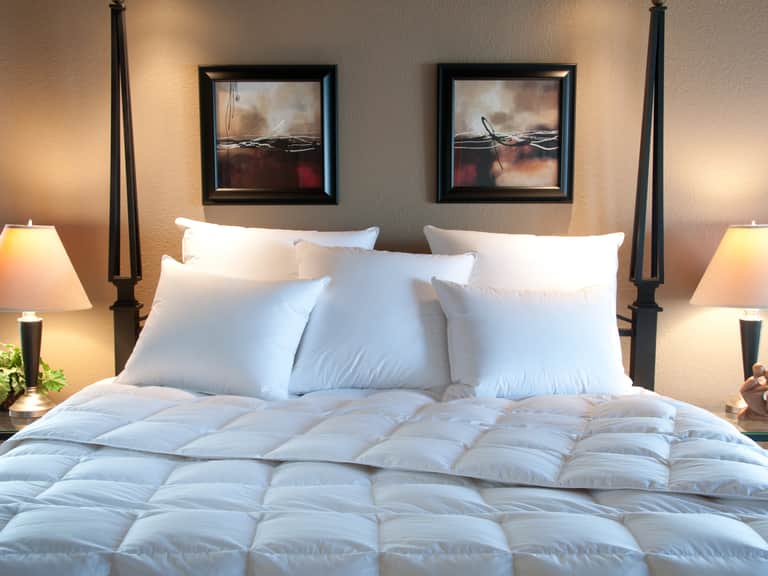
5) Featured product example: Limited Item Avalon, 600 Hypodown Duvet Insert
A standout item from Ogallala Comfort Company, the Avalon 600 Hypodown Duvet Insert is a premium complement to duvet covers. It features 600-fill power down, encased in a smooth 353-thread-count cotton shell with sewn-thru box construction for even loft and a lightweight profile. This insert is designed to layer into a duvet cover without adding bulk, maintaining a flat, tailored silhouette inside the bed ensemble.
Material: Cotton fabric, 353 thread count; 600-fill power down
Construction: Sewn-thru box construction to keep fill evenly distributed
Warmth: Summer Weight, Lightweight, Midweight options
Size availability: Twin/TwinXL, Full/Queen, King/CalKing
Care: Machine wash cold, gentle cycle; tumble dry low
Origin: USA with imported materials
This Avalon insert exemplifies how a premium duvet insert can complement a top-tier duvet cover, delivering a cohesive, high-end sleep surface that remains elegant after multiple wash cycles.
Related product example: Luna Duvet Cover (Luna – Signoria Firenze). A long-staple SUPIMA cotton sateen cover with a 600-thread-count and a distinguished border design, closed with buttons and interior ties for secure duvet alignment. Images available upon request.
Explore how such a cover pairs with the Avalon insert for a luxurious, cohesive bed ensemble, especially in a calm, neutral color palette that suits a luxe sleep environment.
Note: This article references a curated selection from premium brands to illustrate how duvet covers and inserts work together. Availability and model names may vary by retailer and season.
6) Key voices through time: three notable individuals who shaped how we sleep and dress a bed
From antiquity to modern design, influential minds have reframed our approach to bedding, textiles, and the rituals of rest. Here are three people from different eras whose ideas still echo in today’s duvet covers and sleep culture.
Hypatia of Alexandria (c. 350–415)
A philosopher and scholar who, though not a textile designer, represents the long historical thread of seeking knowledge and well-being—from material comfort to intellectual clarity. Her legacy reminds modern readers that a calm, well-founded bed can be part of a disciplined life of learning and reflection.
Coco Chanel (1883–1971)
A fashion icon who introduced simplicity, luxury, and restraint into wardrobe design. Her sensibility—clean lines, timeless silhouettes, and an emphasis on quality fabrics—also informs modern bedroom aesthetics, where duvet covers mirror a similar ethos of refined minimalism with lasting durability.
Iris Apfel (1921–2022)
A style provocateur who celebrated pattern, texture, and color in textiles. Apfel’s approach inspires today’s duvet covers that blend texture with quiet elegance, proving that even a calm sleeping space benefits from thoughtful layerings—texture on texture for a luxe, curated effect.
7) Want a practical, brand-informed approach?
If you’d like, I can draft a detailed content calendar with 12 initial articles tailored to luxduvet.com, plus on-page SEO angles (keywords, meta descriptions) aligned with the site’s editorial identity and target audience.
Conclusion: A duvet cover as the gateway to a calm, luxurious sleep space
The duvet cover is more than a protective shell—it's the surface that sets the tone for bedtime rituals, the texture you touch first thing in the morning, and the visual coherence that ties a room together. With organic fabrics, premium weaves, secure closures, and thoughtful care strategies, you can curate a bed that feels like a trusted sanctuary every night.
By understanding materials, weaving, closures, and brand philosophies, you empower yourself to select duvet covers that combine softness with longevity. And with a premium insert like the Avalon 600 Hypodown Duvet Insert, you can ensure the bed sheet-to-sheet experience remains elegantly balanced, lightly weighted, and inviting at every season.