Bedding • Materials • Sleep comfort
Wool Comforters Explained: Breathability, Weight, and Seasonal Warmth
A comforter can feel wonderfully cozy without being heavy, but the right balance depends on more than the fiber named on its label. Wool’s ability to insulate and absorb moisture makes it an intriguing bedding choice. Fill weight, quilting, room temperature, and personal preferences all help determine whether it feels airy, substantial, or just right.
Published October 17, 2026
Some sleepers want a bed that feels like a warm embrace; others wake up at the first hint of stuffiness. Wool comforters often appeal to people looking for a middle ground: a layer with insulating ability that can also manage moisture and feel breathable. That reputation is appealing, but it is not a guarantee that every wool-filled comforter will feel cool, light, or comfortable in every bedroom.
The details matter. Two comforters filled with wool may differ in weight, loft, shell fabric, stitching, and care requirements. One might be made for a chilly room and feel noticeably substantial; another could be designed as a lighter layer for milder weather. Understanding those distinctions makes it easier to compare options without getting distracted by a single word on a product label.
Here’s a practical guide to how wool bedding works, how to assess its warmth and weight, and what to know before bringing a wool comforter into your nightly routine.
What makes wool different from other comforter fills?
Wool is a natural animal fiber with a structure that can trap air. That trapped air contributes to insulation, helping a wool-filled layer retain warmth. Wool fibers can also absorb moisture vapor, which is one reason the material is often described as moisture-managing. This does not mean a wool comforter keeps every sleeper at one ideal temperature, or that it will feel dry under all conditions. The experience depends on the whole bedding setup, the room, and the person using it.
Unlike a comforter’s decorative cover, its fill is the layer chiefly responsible for its cushioning and insulation. The outer shell, meanwhile, affects how the comforter feels against other bedding and how air moves through it. A tightly woven or heavier shell may create a different impression from a lighter, more breathable fabric, even when the fill is similar.
Wool also has a distinct tactile character. Depending on how it is processed and enclosed, a wool comforter may feel softly lofty, evenly dense, or more weighted than a down-filled alternative. Some people find that reassuring; others prefer bedding that almost disappears over them. Neither reaction is wrong. Comfort is personal, and the ideal fill is the one that works with your preferences rather than against them.
Warmth is about more than the fiber
It is tempting to assume that wool automatically means winter warmth. In reality, a comforter’s warmth is shaped by several factors working together. The amount of fill, the way it is distributed, the fabric shell, and the construction all influence the final feel. The same material can be used in a lighter, more breathable design or in a denser comforter intended to provide more insulation.
Fill weight and density
Fill weight refers to how much filling is used in the comforter, while density describes how concentrated that filling feels across its surface. More fill can contribute to warmth and substance, but it does not tell the whole story on its own. A comforter’s size also matters: the same total amount of wool spread across a larger surface may feel different from that amount in a smaller one.
When comparing wool bedding, look for the fill weight in the product specifications and check whether it is stated for the size you are considering. If it is not listed, ask the manufacturer for clarification rather than trying to infer warmth from a product name or photograph. Descriptions such as “all-season” can be useful starting points, but they are not universal standards.
Loft and how the fill is held in place
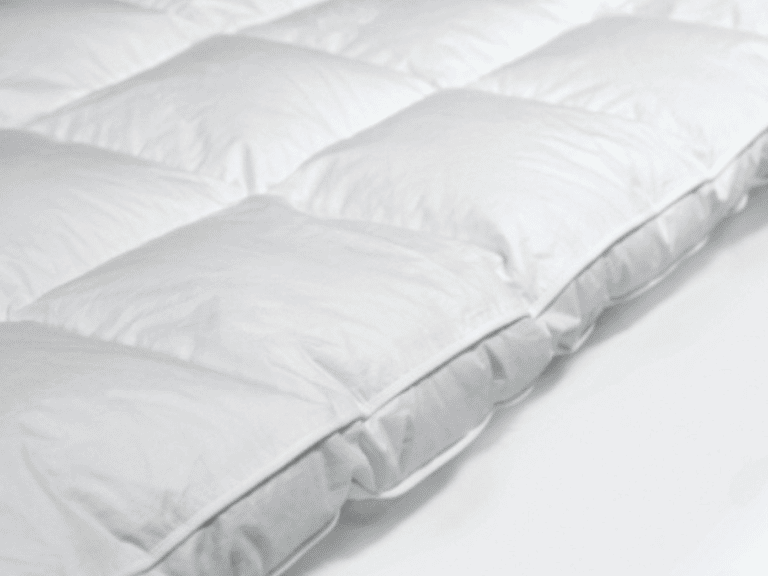
Loft is the visible or felt height of the comforter. Wool can be arranged and secured in different ways, and quilting or stitched compartments help limit shifting. A well-designed construction can help the filling stay more evenly distributed, supporting more consistent coverage. If the fill migrates or compresses unevenly, the bed may develop areas that feel warmer or cooler than others.
Construction also changes the way a comforter drapes. A lofty layer may feel plush and enveloping. A flatter, more evenly quilted one may feel more tailored and stable. Neither construction is inherently better; the important question is whether the weight and drape suit your sleep habits.
Shell fabric and bedding layers
The fabric that contains the fill can influence airflow, surface feel, and durability. Cotton is a common shell material, while other fabrics may be used depending on the design. The sheet underneath, duvet cover on top, mattress protector, pajamas, and blankets also contribute to the overall warmth. A wool comforter paired with several insulating layers may feel much warmer than the same comforter used on its own.
Breathability and moisture: what to expect
Breathability is not a simple on-or-off feature. It describes how readily air and moisture vapor can move through a fabric or bedding layer, and it can be affected by both the fill and the surrounding materials. Wool’s fiber structure can absorb moisture vapor, while its insulating qualities help retain warmth. For some sleepers, that combination feels balanced: cozy without the clammy sensation they associate with less breathable bedding.
Still, wool should not be treated as a personal thermostat. It cannot compensate for an overheated room, heavy sleepwear, a thick mattress topper, or a stack of blankets. Nor does moisture absorption mean that a comforter can be left damp without consequences. A bed that feels too warm may need fewer layers, a cooler room, or a different comforter weight—not simply a different natural fiber.
Hot sleepers may want to consider a lighter fill weight, breathable sheets, and a cover that does not add excessive insulation. Cold sleepers may prefer more substantial fill or a carefully layered setup. Anyone sharing a bed with someone whose temperature preferences differ can try separate top layers, an approach that lets each person adjust without turning the bedroom into a compromise zone.
Pay attention to your own pattern over several nights. Do you wake feeling overheated, chilly, or comfortable? Does the issue occur throughout the year or only when the weather changes? Those observations can be more useful than a broad claim about what a material is supposed to do.
Choosing a wool comforter for the season
Seasonal comfort is about matching insulation to both the climate outside and the conditions in your bedroom. Heating, ventilation, window exposure, and individual sleep temperature can make two homes feel entirely different on the same night. The label “winter” or “summer” may offer a clue, but the specifications and your own experience deserve equal attention.
- For warmer months: Consider a lighter-fill design and minimize extra layers. A breathable sheet and a lighter cover can help keep the overall bed from feeling unnecessarily insulated.
- For transitional weather: A moderate-weight comforter may work well when nights are cool but not cold. Keeping an extra blanket nearby can provide flexibility without committing to a heavy layer all night.
- For colder rooms: A higher fill weight or more substantial construction may offer the warmth you want. Check that the comforter fits your bed and can be secured inside its cover so it stays evenly positioned.
- For changing conditions: Layering can be more adaptable than relying on one very heavy comforter. A lighter main layer with a removable blanket gives you room to adjust from night to night.
Season labels are best understood as guidance, not a promise. If a manufacturer provides temperature or warmth recommendations, check the conditions behind them. A comforter described as suitable year-round may feel too warm in a hot apartment or insufficient in a cold, unheated room.
How wool compares with down and other fills
Comparisons can help clarify what you value, but no fill type is automatically superior. Construction and quality vary, and individual comfort preferences are the final test.
Wool and down
Down is known for its lofty, airy feel and its ability to provide insulation with relatively little weight, depending on the design and fill. Wool comforters may feel denser or more substantial to some sleepers. Wool is also valued for moisture management, while down’s feel and performance depend on the fill, shell, construction, and care. If you prefer a comforter that feels nearly weightless, compare the finished comforter’s weight—not just the material name.
Wool and synthetic alternatives
Synthetic fills can be designed to imitate some qualities of down, and they may offer different price points or washing instructions. Their warmth, weight, breathability, and longevity vary by product. A washable synthetic comforter may suit someone who prioritizes simpler routine cleaning, while a wool option may attract someone seeking a natural fill and is comfortable following its particular care guidance.
Wool and cotton
Cotton is often used in comforter shells and can also appear as a fill in some bedding designs. It has a different structure and feel from wool. The useful comparison is not simply “natural versus natural,” but how the full comforter performs for your climate, preferred weight, maintenance routine, and sensitivity to texture or materials.
Care: the details that protect your investment
Wool comforters can require more careful maintenance than bedding that is designed for frequent machine washing. Care instructions differ between products, so the label or manufacturer’s guidance should always take priority over a general rule. Before buying, find out whether the comforter is machine washable, spot-clean only, professionally cleanable, or intended to be protected by a removable cover.
A duvet cover is a practical first line of defense against everyday dust, body oils, and spills. It can usually be removed and laundered more easily than the insert, although its own care label matters too. Regular airing in a dry, well-ventilated space may help refresh bedding between washes. Avoid storing a comforter while it is damp, and do not use heat or cleaning products unless the care instructions allow them.
If the comforter develops a stain, address it according to the manufacturer’s directions. Aggressive scrubbing, soaking, or using a high-heat dryer can damage fibers or affect the fill’s distribution. For a serious spill or persistent odor, professional advice may be safer than experimenting with household treatments.
Storage deserves a little attention as well. Keep the comforter clean and completely dry before putting it away. A breathable storage bag or closet shelf is generally preferable to compressing it tightly for long periods, unless the maker specifically recommends another method. When it comes back into use, allow it to air and regain its shape according to the care guidance.
A thoughtful checklist before you choose
Shopping for a comforter becomes less confusing when you focus on a few practical questions instead of chasing a single “best” material.
- What is the room like at night? Consider heating, air conditioning, drafts, and seasonal changes.
- Do you like weight or lightness? Think about whether a substantial covering feels comforting or restrictive.
- What is the fill weight? Compare specifications for the same size where possible.
- How is the fill secured? Quilting and compartment design can influence distribution and stability.
- What is the shell made from? The outer fabric affects hand feel, airflow, and care requirements.
- How will you clean it? Choose a maintenance routine you can realistically follow.
- Does the comforter fit your duvet cover? Check dimensions and attachment points, such as corner loops and ties.
- Are the claims specific? Look for clear material and care details instead of relying solely on terms like “cooling” or “all-season.”
If you have allergies, asthma, sensitive skin, or a medical condition that affects temperature regulation, review the material details and care instructions carefully. A fiber’s natural origin does not guarantee that it will suit every individual. For persistent sleep discomfort or symptoms that concern you, consult an appropriate health professional rather than relying on bedding changes alone.
Common myths about wool bedding
“Wool is always too hot.”
Not necessarily. Warmth depends on fill amount, construction, shell, room conditions, and other bedding layers. A lighter wool comforter may suit some sleepers in mild conditions, while a heavier one can be designed for colder nights.
“Natural fibers are maintenance-free.”
Natural does not mean care-free. Wool bedding may have specific washing, drying, and storage requirements. Checking those details before purchase helps prevent an unwelcome surprise later.
“More fill always means better comfort.”
More filling may create more insulation or weight, but that is not automatically better for every sleeper. The right amount is the amount that supports comfortable sleep in your particular environment.
“Breathability means you will never overheat.”
Breathability can contribute to comfort, but it cannot eliminate every source of heat. A warm bedroom, heavy sleepwear, or too many layers can still make a bed feel stuffy.
The bottom line on wool comforters
Wool has qualities that make it worth considering: it can insulate, absorb moisture vapor, and provide a reassuringly substantial feel. But a material name alone cannot predict how a comforter will feel through the night. Fill weight, loft, quilting, shell fabric, duvet cover, room temperature, and personal preference all shape the experience.
The smartest choice starts with your own sleep habits. If you tend to feel cold and enjoy a cozy layer, a fuller design may be appealing. If you sleep warm or dislike heavy bedding, compare lighter options and keep the rest of your bed simple. In either case, study the specifications and care label before deciding.
Comfort should not be a guessing game. A well-matched wool comforter is one part of a carefully considered sleep setup—alongside breathable sheets, a comfortable room, and layers that can adapt when the weather shifts. The best result is not the most luxurious-sounding label. It is waking up rested, comfortable, and ready to start the day.